Sep 17, 2026
Why Manure’s Value is Still Hard to Prove
Read More


September 2026
Farmers who have run no-till for a decade will tell you it built their soil, cut their costs, and made their operation more resilient. They’re not lying, but what gets glossed over is the three or four years it took to get there, and what those years cost along the way.
No-till pays off long-term, but the costs come first. The costs are front-loaded with benefits compounding later, and in between sits a transition period, often three to five years, of paying into a system that has not started paying you back. That gap is where farmers get discouraged and quit, usually right before it would have turned.
Here’s the real cost of going no-till, and how to shorten the curve to start reaping the benefits.

No-till changes how you plant, which usually means new iron.
A no-till drill or planter has to cut through residue, place seed at a consistent depth in undisturbed soil, and close the furrow behind it, all without a prepared seedbed. Row cleaners, closing wheels, and down-pressure matter more than they did in worked ground.
For many farmers this is the single largest up-front cost of the switch.
Many farmers report a yield slump in the first few no-till years before things recover and climb. It is not universal, and it varies with soil and management, but it is common enough to plan for rather than be blindsided by it.
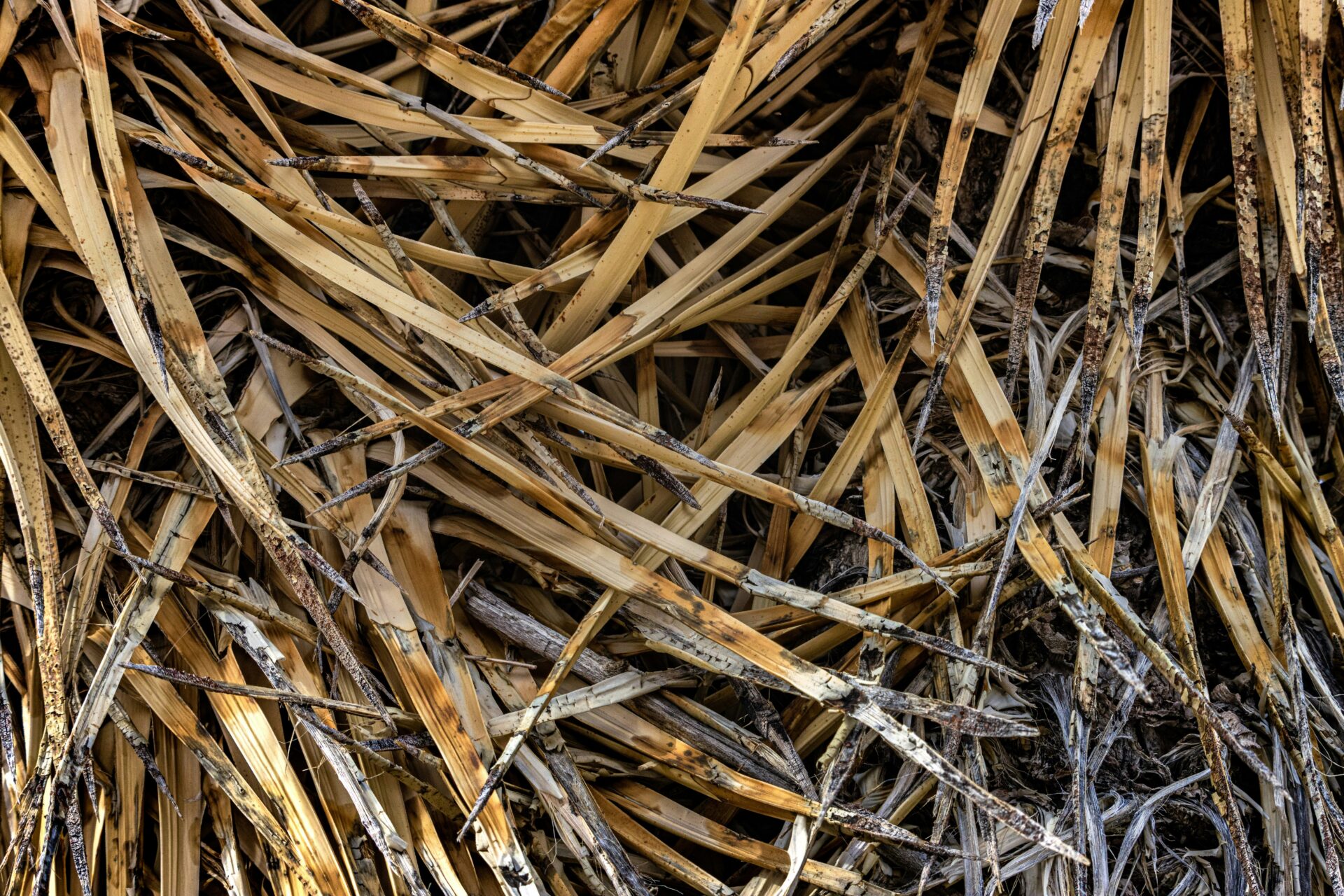
When tillage stops, the residue it used to bury stays on the surface. Now you are planting into a mat that keeps soil cold and wet, clogs equipment, and can hairpin into the seed trench.
Farmers coming from conventional tillage tend to underestimate this, because tillage was incorporating residue into the soil to avoid delayed planting.
High-carbon residue like cornstalks pulls nitrogen out of the soil as it breaks down, because microbes borrow that nitrogen to do the work. Early on, when your soil biology is still weak, that tie-up can leave young plants short right when they are trying to establish.
Without tillage helping control weeds, weed management leans harder on herbicides and timing, and planting has to account for cooler, residue-covered soil. It is a genuine shift in how you manage, and shifts take a season or two to settle.
Almost every cost above traces to one root cause – the soil is still resetting.
Tillage was doing several jobs at once. It buried residue, aerated the soil, and its disturbance triggered a burst of biological activity that released nutrients. Stop tilling and you stop doing all of that, but the biology meant to take those jobs over has not woken up yet. On the average farm, around 75 percent of soil microbes are dormant. In freshly transitioned ground, you are asking that under-fed biology to do double or triple the work they used to do.
The good news is that this is a starting point, not a permanent state. Soil structure and biology rebuild once you stop tilling every year. How fast they’re able to rebuild, in part, is up to you and the amount of support you give them.
The two hardest costs, residue that will not break down and biology that is slow to wake up, are also the two you can do the most about. Both come down to feeding your soil biology.
PhycoTerra® is a microalgae-based soil amendment that gives soil microbes a balanced meal of proteins, lipids, and carbohydrates. That food wakes the dormant biology and puts it to work sooner than it would on its own, which does two things for a farmer in transition. It speeds up residue breakdown while your system is still young, and it jump-starts the biological activity no-till depends on for the long haul.
In trials, feeding soil microbes with PhycoTerra reduced crop residue mass by up to 21 percent by spring, raised topsoil temperature by up to 5 degrees Fahrenheit, and let farmers plant up to 2 days earlier*. That is less cold-soil, heavy-residue, nitrogen-tie-up struggle in the years it discourages people most. And because it feeds the native biology rather than replacing it, it supports the same soil system you are building for the long term.
It will not erase the transition–no product does that–but taking the edge off the early years can be the difference between sticking with no-till and quitting before it pays off. PhycoTerra is a non-living, shelf-stable formulation that mixes seamlessly into your post-harvest burndown, so there is no soil disturbance and no separate pass.
* Results based on PhycoTerra field and laboratory trials. Individual results are not guaranteed and vary by operation.

What waits on the other side keeps paying for as long as you farm the ground.
Left undisturbed, soil rebuilds the aggregates that hold it together, the structure that lets water infiltrate and roots move freely.
Surface residue cuts evaporation, and well-structured soil takes water in instead of shedding it. In a dry year that stored moisture can carry a crop. In a wet one, better infiltration means less standing water and less erosion.
Every tillage pass you drop is fuel, labor, and equipment time you keep, up to $10 an acre per pass, every season, for the life of the operation.
Undisturbed soil keeps carbon in the ground and gives biology a stable home, building a system that handles stress and leans less on purchased inputs. Reduced tillage may also open the door to carbon markets and credits.
A residue-covered, undisturbed field stays put when wind and water come for bare ground. For a lot of farmers, that alone is reason enough.
Somewhere in years three to five, most farmers cross over from paying in to getting paid back, and the return grows from there.
Convert 10% or less of your acres first, so you can learn how no-till behaves on y our soil and equipment before you scale.
No-till builds structure over time but will not fix existing compaction quickly. Address any existing compaction before you commit a field. Keep in mind that moving forward, it’s essential to avoid compact soil. You’ll no longer have tillage as a quick fix option.
A planter or seeder built for no-till has to cut through residue, place seed accurately in undisturbed soil, and close the furrow cleanly.
Going into your first no-till spring with undecomposed residue and dormant biology is the fastest way to get discouraged. Plan to break that residue down and feed your soil life before you plant into it.
In the first few years after the switch look for small wins in your field. They’re indicators that you’re headed in the right direction, and you’ll soon see the long term benefits. The farmers happiest with no-till are the ones who committed long enough to let the system prove itself.

No-till costs. Equipment, a learning curve, and maybe some yield while your soil catches up. That’s the fine print most no-till farmers skip when telling their success stories.
But if you look at the costs as an entry fee, it may be worthwhile for your farm to make the switch. Go in clear-eyed, manage the two things you can control, your residue and your biology, and you close the distance between your first no-till acre and no-till’s full return.
Weighing the switch, or working to get through the transition faster? Learn more about PhycoTerra for residue management.
Preserving the Future of Farming

Learn more about our mission to keep farming economically and ecologically sustainable.
Learn More