Sep 29, 2026
The Costs of Going No-Till: An Honest Look
Read More


September 2026
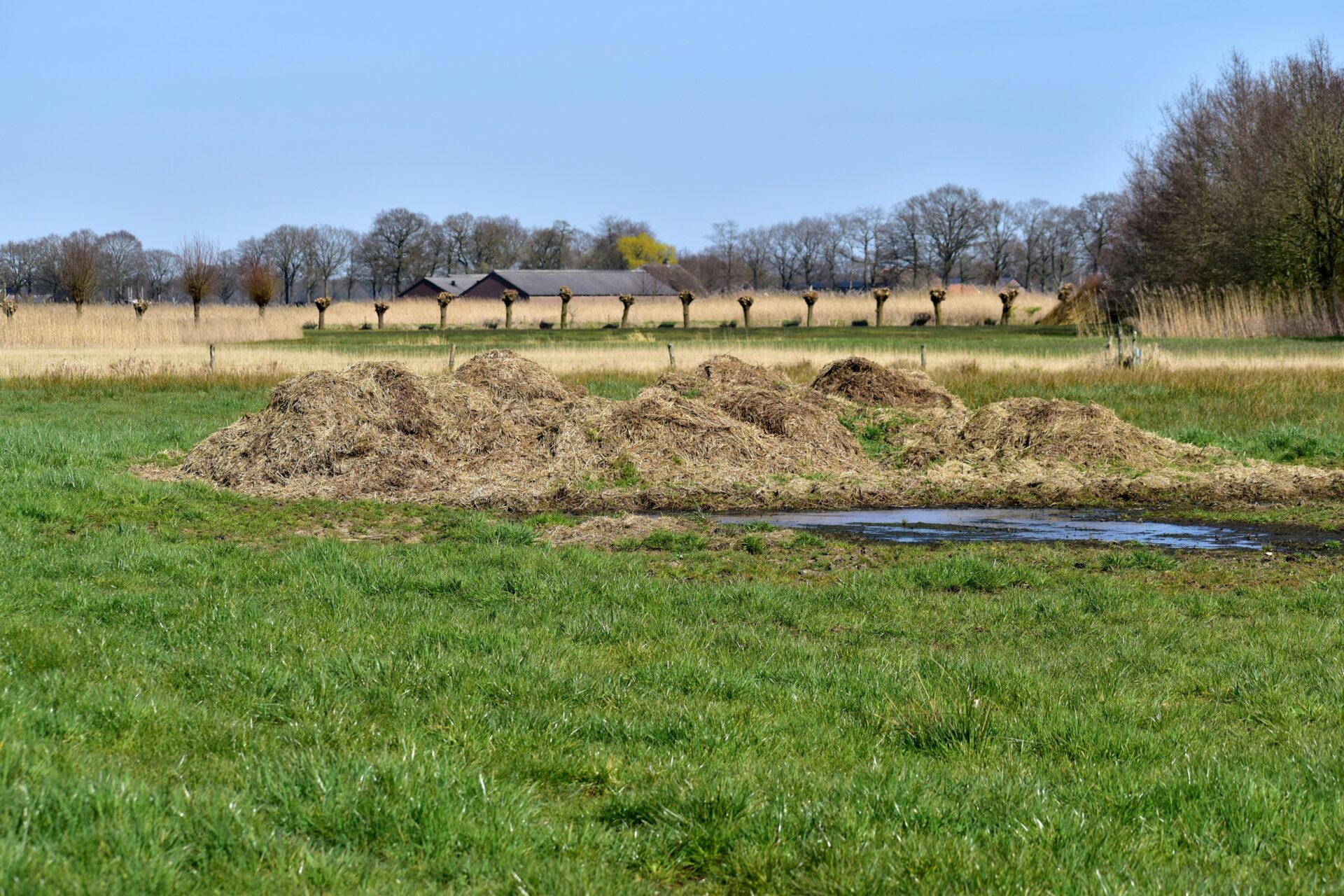
Crop residue is easy to think of as a chore. The grain is in the bin, the season is over, and what remains is a field full of stalks and straw to deal with before spring. But that leftover carries a real cost.
The good news is that the same residue draining your budget in the spring holds real value underneath it.
Once you can see what crop residue actually costs you, and what it is worth when managed well, you’ll never look at a post-harvested field the same way again.

Every fall, farmers make a call on residue. Till it under, leave it on the surface, or burn it off. Each of those choices comes with a price tag, but that price rarely shows up as a single number on an invoice. Instead it hides in fuel, in equipment wear, in lost planting days, and in nutrients that never make it to next year’s crop.
That is what makes residue so easy to underestimate. While there isn’t a bill that’s due for residue, there is just a slower spring, a harder-working planter, and a fertility program that has to replace what last year’s crop already put in the ground.
Add those hidden costs together and crop residue becomes one of the more expensive things on the farm that nobody budgets for.
The heaviest costs of crop residue land at planting, when a thick, undecomposed mat stands between you and a clean start. Here is where the money goes.
A residue-covered field is a colder, wetter field. It holds moisture, blocks sunlight from warming the soil, and pushes your planting window later. That delay is expensive.
Corn can lose roughly 0.3 to 1 percent of its yield potential per day1 after mid-May. Soybeans run about 0.25 to 0.6 percent per day.1 Wheat and canola carry similar penalties once you pass their target planting dates. Stretch that across a typical delay of 5 to 10 days and you are looking at somewhere between $20 and $100 per acre in lost yield potential.1
Heavy residue is hard on iron. It clogs planters, wraps around row units, and forces you to stop, clear, and start again. Every hour a planter sits idle in the spring is an hour you do not get back, and downtime from a clogged planter can run $100 to $300 per hour1 once you count machine wear, labor and lost field time.
Then there is the equipment residue forces you to buy. For example, row cleaners wear out and need replacing, often at $300 to $500 per row1. That is a cost driven entirely by how much residue your planter has to fight through.
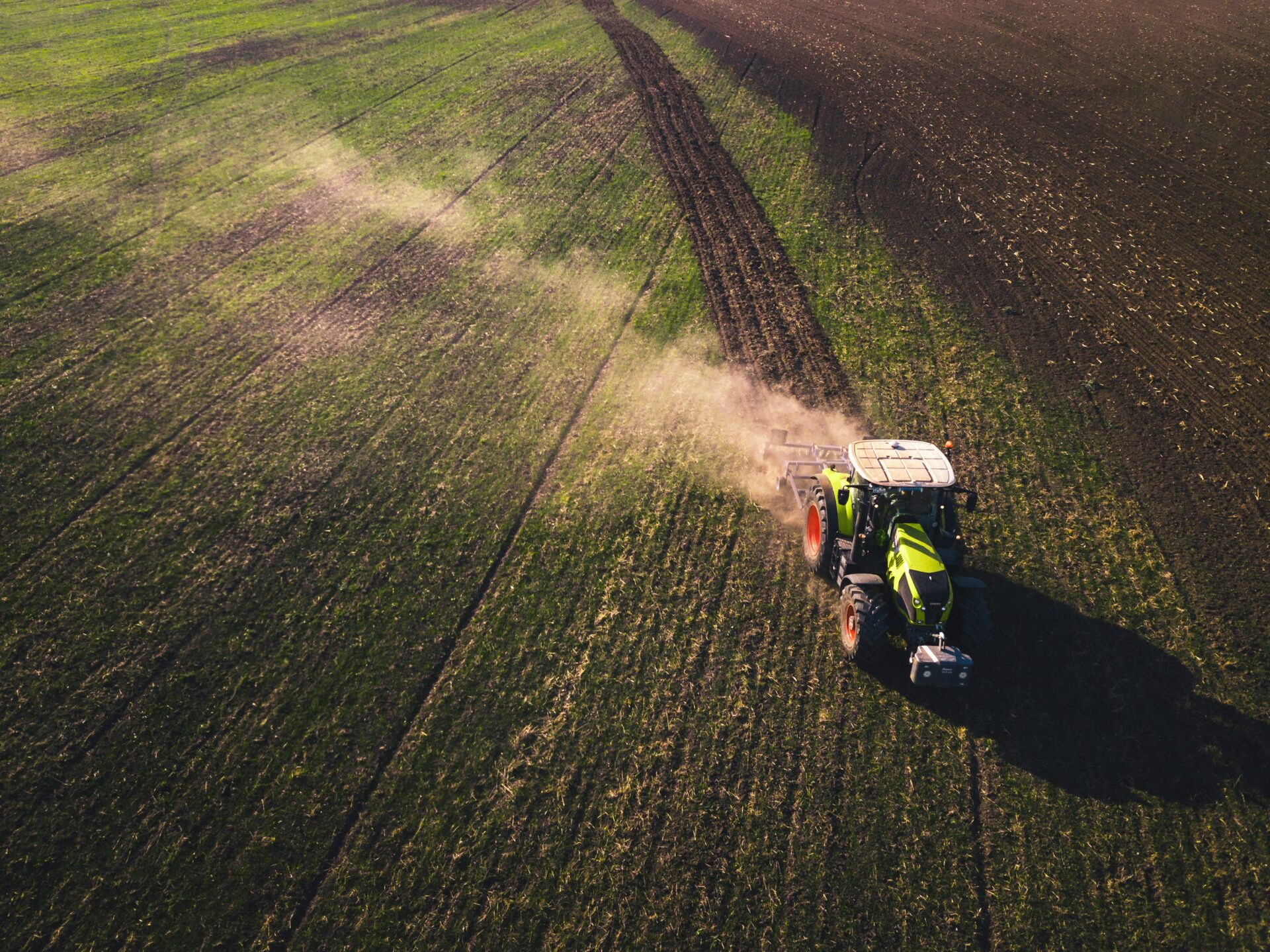
For farmers who till to clear residue, every pass has a price. Fuel, labor, and equipment time on a tillage pass can run $10 to $50 per acre1 depending on the implement and conditions. Run more than one pass to get a field clean, and that number climbs.
A thick residue layer is a place for pests and pathogens to overwinter. That can mean an extra fungicide or insecticide pass at $15 to $40 per acre plus application1, more spending on weed control, and yield loss if pressure gets ahead of you. None of that is guaranteed, but it is a risk that rises with the amount of residue sitting in the field.
Residue that hairpins into the seed trench or keeps soil cold and variable leads to uneven emergence. A stand that comes in 10 to 30 percent below target can cost $25 to $150 per acre.1 In the worst cases, a poor stand means a replant, which stacks seed, fuel, and labor on top of the loss you were already carrying.
1Cost ranges above are estimates and will vary by operation, region, crop, and conditions.

No single one of these costs is going to break an operation. Stacked together on the same field, they add up quickly.
Picture a spring where heavy residue pushes your planting a week past the ideal window, forces two stops a day to clear the planter, and leaves a stand that comes in below target on part of the field. None of those events is unusual. Put them on the same acres in the same season and the cost of residue you never budgeted for can rival some of the inputs you plan for down to the dollar.
That is the real problem with treating residue as an afterthought.
It is not one big expense you can see and plan around. It is a handful of smaller ones that only show up once the season is underway and there is nothing left to do but pay them.
The spring costs are the ones farmers feel. But there’s also a hidden nutrient cost.
Crop residue is not “trash” despite its nickname. It is a store of nitrogen, phosphorus, potassium, and organic matter that your last crop pulled up and left behind. Managed well, those nutrients cycle back into the soil for next year. Managed poorly, they stay locked in undecomposed stalks that your next crop cannot touch, and you end up buying back fertility you already had sitting in the field.
That is the quiet expense of residue that does not break down in time. You are not just paying to fight the residue in the spring. You are paying again to replace the nutrients trapped inside it.
And there’s a second layer some farmers have to consider.
High-carbon residue like corn stalks can actually pull nitrogen away from your next crop as it decomposes. Microbes need nitrogen to break down all that carbon, so they borrow it from the soil, tying it up until the residue is far enough along. If your carbon-to-nitrogen ratio is out of balance, that tie-up can leave early-season plants short on nitrogen right when they need it. So heavy residue does not just hold your nutrients hostage, it can temporarily compete with the crop you are trying to grow.
Tillage and leaving residue both have their place, and farmers choose them for good reasons. But when the goal is a clean, workable field in the spring without giving up the value inside your residue and disturbing your soil microbiome, each one leaves something on the table.
Tillage resizes residue. While smaller pieces of residue are easier to maneuver and create more surface area for moisture and heat, tillage burns fuel, disturbs your soil biology, and releases carbon as it clears the ground.
Leaving residue protects the soil surface, but it leaves you managing a heavy mat that decomposes on the weather’s schedule, not yours.
Neither option answers the real question: how do you get residue to break down faster, so it is out of the way at planting and turned back into nutrients for your next crop?
Residue breaks down through biology. Bacteria and fungi in your soil use enzymes to decompose tough material like cellulose and lignin, turning it into simpler compounds and organic matter your next crop can use. When that process runs well, residue stops being a cost and starts being a resource.
But on the average farm, around 75 percent of soil microbes are dormant. Without a food source they do not have the energy to break residue down. That is why thick residue is still sitting in the field come spring.
Feeding those dormant microbes changes the equation. Residue is ultimately broken down by specialized bacteria and fungi, and those decomposers need a food source to get to work.
PhycoTerra® is a microalgae-based soil amendment that gives soil microbes a balanced meal of proteins, lipids, and carbohydrates. Once fed, the biology wakes up and decomposes residue.
This is not a new idea so much as a missing ingredient. Decomposition has always run on microbes. What has been missing on most farms is a food source to keep an abundant and diverse bacteria and fungi population active through the fall and into the spring, when you need the breakdown to happen. A balanced, carbon-rich meal is the key to keep the process moving instead of stalling out when the weather turns cold or dry.
And the results show up where the costs used to be.
In trials, feeding soil microbes with PhycoTerra reduced crop residue mass by up to 21 percent by spring and raised topsoil temperature by up to 5 degrees Fahrenheit, letting farmers plant up to 2 days earlier. Less residue at planting means fewer clogs, warmer soil, and a cleaner stand. Faster breakdown means more of last year’s nutrients available to this year’s crop.
Every day you gain in the spring widens your planting window, gives your crop cooler conditions at key growth stages, and buys back flexibility on labor and equipment when the calendar is tight. As Chad Rubbelke, owner of Rubbelke farms describes it, “every day earlier in the spring can be worth about five days in the fall come harvest.”
The days you save clearing residue are days you spend growing the crop.
Feeding your soil biology for residue management returns up to $59 to $108 per acre, with up to a 4.5x return on investment2. The same residue that was costing you turns into a line item that pays.
2Results based on PhycoTerra field and laboratory trials. Individual results are not guaranteed and vary by operation.
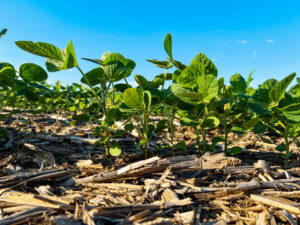
Turning residue into a return does not mean overhauling your operation.
PhycoTerra is a non-living, shelf-stable product that mixes with your post-harvest herbicide burndown, so there is no separate pass to add and no new equipment to buy. It is highly compatible with the inputs you already run.
It also holds up regardless of conditions. As North Dakota farmer Chad Rubbelke put it after trialing it across three years and 18 sites, “With PhycoTerra it doesn’t matter if you’re bone dry or wet, it continuously does what it’s intended to do at a high level. The residual breakdown is about the same regardless of moisture levels.”
Whether you run no-till, minimal-till, or conventional tillage, feeding the microbes on your residue fits into the system you already have.
Crop residue is not free. Between delayed planting, equipment wear, extra passes, pest pressure, thin stands, and locked-up nutrients, the cost of leaving residue to break down on its own is real, and it lands every spring.
The residue is going to be there. The only question is whether it works against you or for you. Fed the right way, the biology in your soil turns that residue from a recurring cost into a return you can count on.
Ready to see what residue is costing, and earning, on your acres? Learn more about PhycoTerra for residue management.
Preserving the Future of Farming

Learn more about our mission to keep farming economically and ecologically sustainable.
Learn More