Sep 29, 2026
The Costs of Going No-Till: An Honest Look
Read More



September 2026
For no-till growers, spring starts with residue. The grain came off last fall, the residue stayed on the surface, and now it stands between you and a clean, timely planting pass.
Handle it well and you get warm soil, even emergence, and an early start. But if you don’t, you get clogs, cold ground, and a stand that never quite catches up.
The difference usually comes down to preparation. Here is a checklist to help any no-till farmer get ahead of residue before planting instead of fighting it in the field.
Before you plan anything, know what you are dealing with.
Not every field carries the same residue, and a high-yielding corn field will leave far more behind than soybeans.
Walk your fields, note where residue is heaviest, and flag the acres most likely to give your planter trouble. Those are the fields that need the most attention on everything below.

Residue management is a decision you make before you are standing in the field in the spring. Even intact residue in March can still be managed for the season ahead, but only if you have a plan in place before planters and sprayers start rolling.
Once fieldwork begins, your options narrow fast and you end up reacting instead of executing. Decide how you will handle residue, and line up the products and passes to do it, well ahead of spring so the plan is already in motion when the season starts.
Residue that looks intact on the surface may or may not be decomposing underneath.
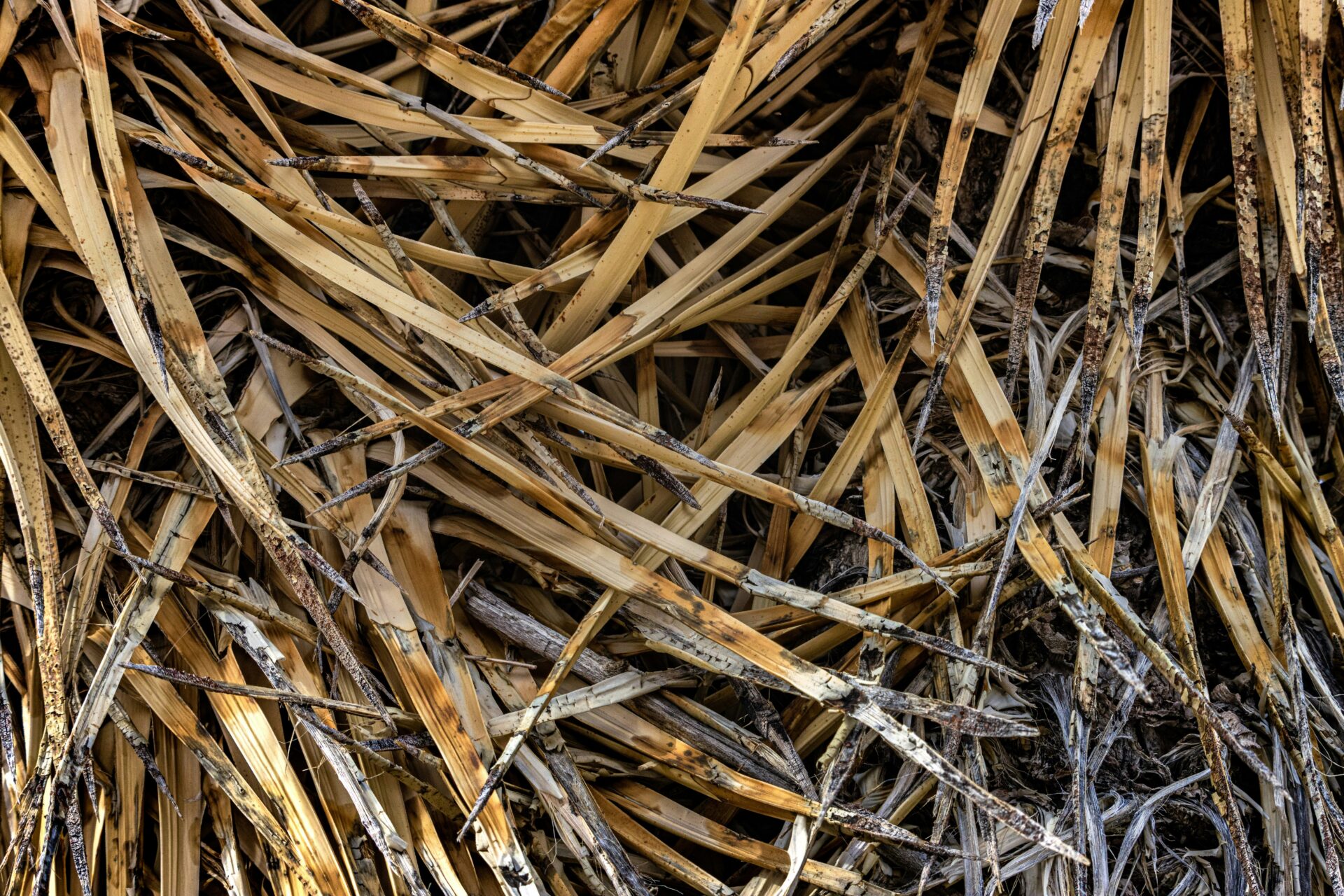
Dig in a little. Grab a few stalks and see whether they are soft and breaking down or still tough and yellow. Real breakdown shows signs of biological activity and decomposition such as darker, softer material that snaps and crumbles rather than bending.
If your residue is still robust and intact heading into spring, it is not going to disappear on its own before planting, and you need a plan to move it along.
This is the step that changes everything downstream. Residue breaks down through biology. Bacteria and fungi decompose it into organic matter and nutrients, but on the average farm around 75 percent of soil microbes are dormant and cannot do the work without a food source.
Feeding them is how you speed up decomposition. PhycoTerra® Soil Amendment is a liquid microalgae-based composition that provides soil microbes with a balanced meal of proteins, lipids, and carbohydrates. Applied with your post-harvest herbicide burndownndown, it activates the biology that breaks residue down over the winter.
In trials, feeding soil microbes this way reduced crop residue mass by up to 21 percent by spring. The farmers who get ahead of residue are the ones who set this in motion in the fall with burndowndown, but PhycoTerra can be applied in the spring.
It’s worth nothing, the sooner you feed your microbiology, the better.
Your planter is your first line of defense in a no-till system.
Make sure row cleaners are set to sweep residue off the seed row without digging into the soil. Check your closing wheels and down pressure so you get consistent depth and good seed-to-soil contact even through a residue mat. Worn row cleaners are worth replacing before the season, not during it, because a planter that hairpins residue into the trench costs you stand and yield.
Heavy, high-carbon residue like corn stalks can tie up nitrogen as it decomposes.
Microbes borrow nitrogen to break down carbon, which can leave your early-season crop short right when it is trying to get established.
If you are planting into heavy residue, plan for that tie-up, and consider where a little nitrogen fits to keep decomposition moving without shorting your crop.
Nitrogen is not your only lever, though. You can also feed your microbes a labile carbon source, meaning carbon that is easy for them to access and use, with a low C:N ratio of its own. A readily available, balanced food source gets soil biology active quickly and helps it work through tough, high-carbon residue, without driving the same nitrogen tie-up that the residue does.
That is exactly the role a product like PhycoTerra plays: a nutrient-dense meal that wakes microbes up and puts them to work on the residue.
Residue keeps soil cold and wet, and cold soil slows everything down in the spring. Breaking residue down ahead of planting helps here too. Faster decomposition and less surface cover let the ground warm sooner.
Trials have shown topsoil up to 5 degrees Fahrenheit warmer where residue was managed with soil biology, which can open the door to planting up to 2 days earlier. Know which of your fields run cold and prioritize residue breakdown there.

Even with a good residue plan, let the field tell you when it is ready. Check soil temperature and moisture rather than planting by date. A field that has warmed up and dried out gives you better emergence than one you force too early.
The work you did in the fall to break residue down is what gets those fields ready sooner.
Residue can shelter pests and pathogens over the winter, so heavy-residue fields deserve early scouting. Catching pressure early gives you options.
Faster residue can also help by removing some of the habitat pests rely on, but scouting is still your best defense against surprises at emergence.
The season is your report card, so pay attention to what the field tells you. It starts at planting and just after, where you are looking for even seeding depth and a clean seed trench, the first signs that residue is not getting in the way of good placement.
Then, come back at post-emergence for a closer look. Evaluate your stand for even emergence and seedling vigor, and check your weed control both in the row and between rows, since residue presence and how well it has decomposed affect both.
What you see at these checkpoints tells you whether this year’s residue plan worked, and what to adjust for next year.
Residue is the defining challenge of no-till, and spring is when it gets decided. The farmers who plant into warm, workable, cleaner fields are not lucky. They planned for residue in the fall, set their equipment right, and let biology do the heavy lifting over the winter.
Run this checklist before your next planting season, and residue stops being the thing that holds up your spring.
Want to get ahead of residue on your no-till acres? Learn more about PhycoTerra for residue management.
Preserving the Future of Farming

Learn more about our mission to keep farming economically and ecologically sustainable.
Learn More